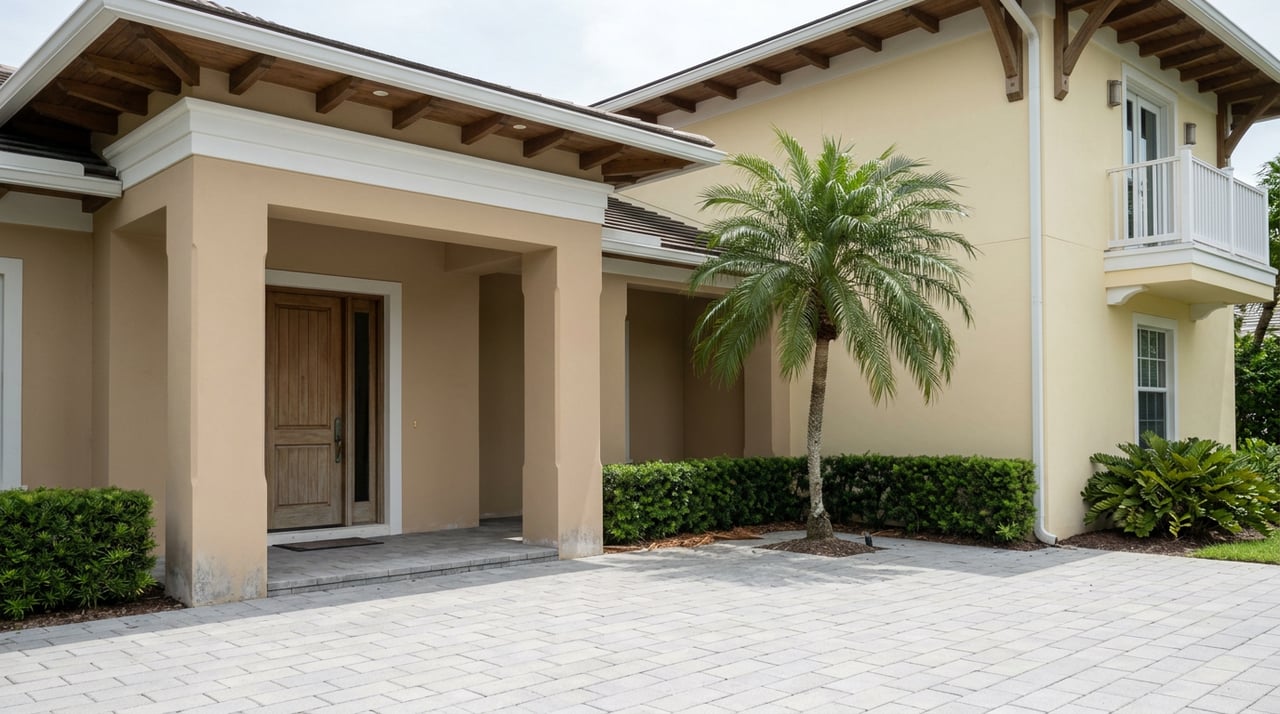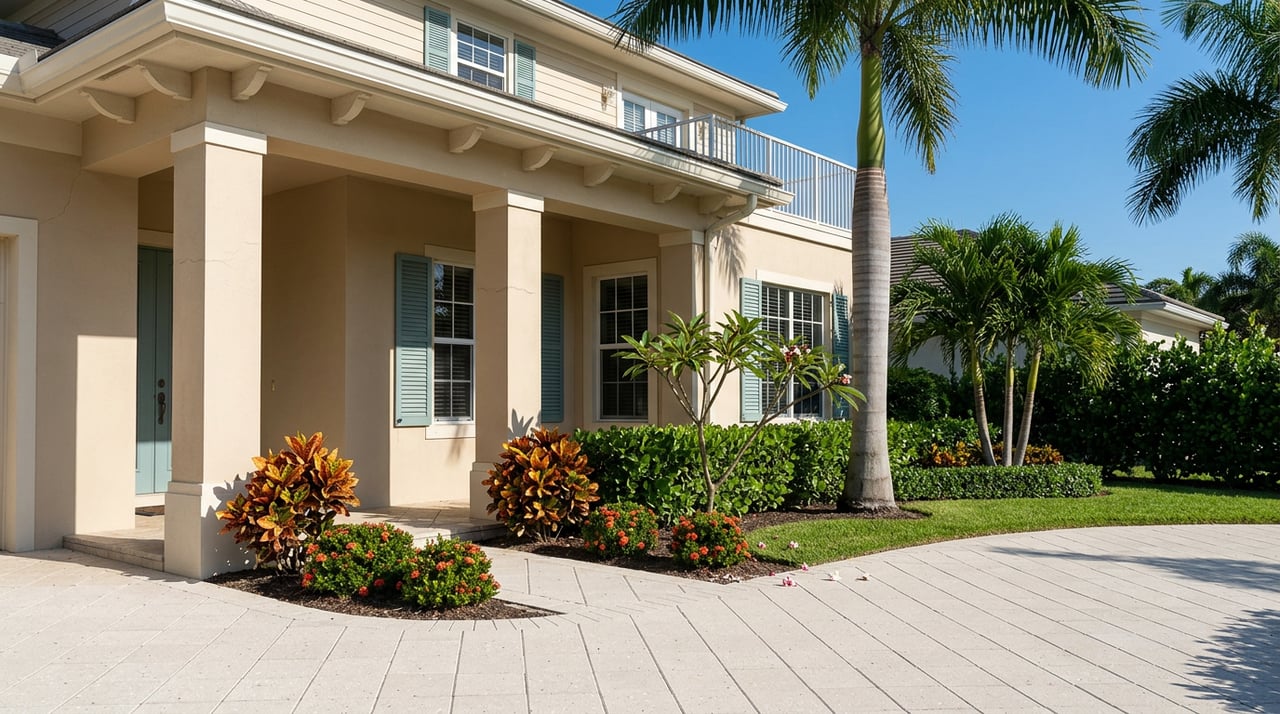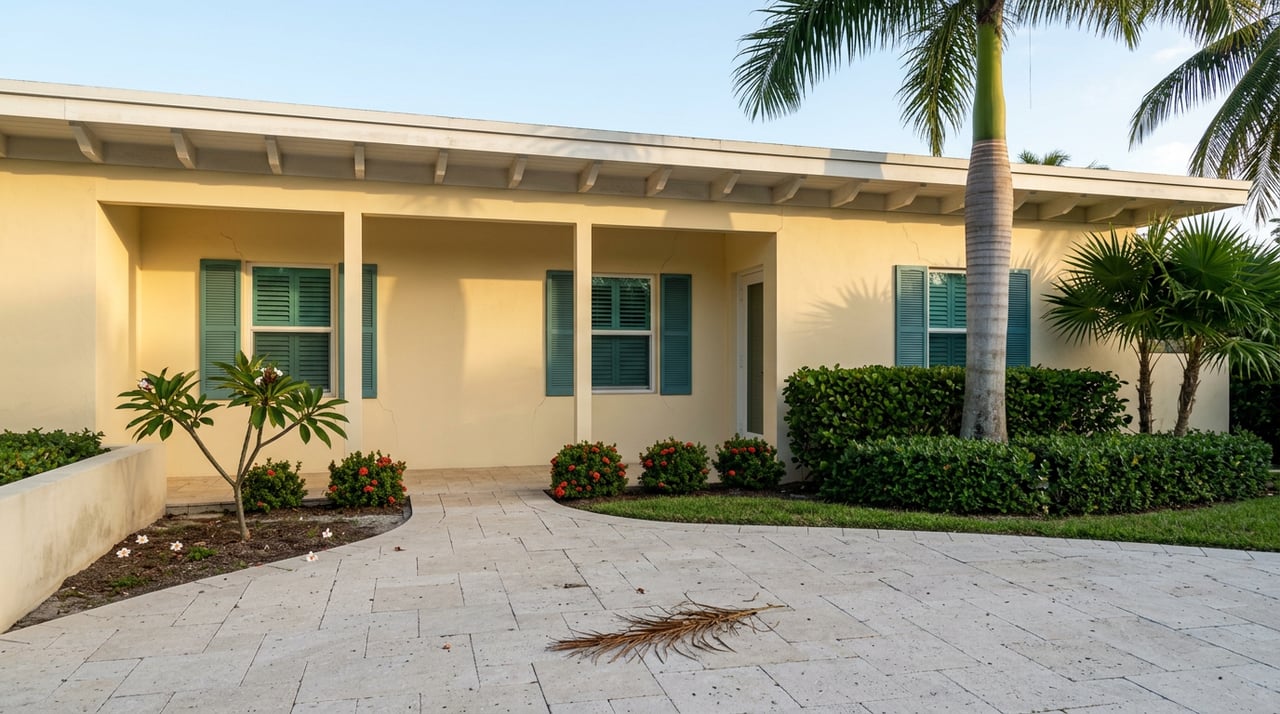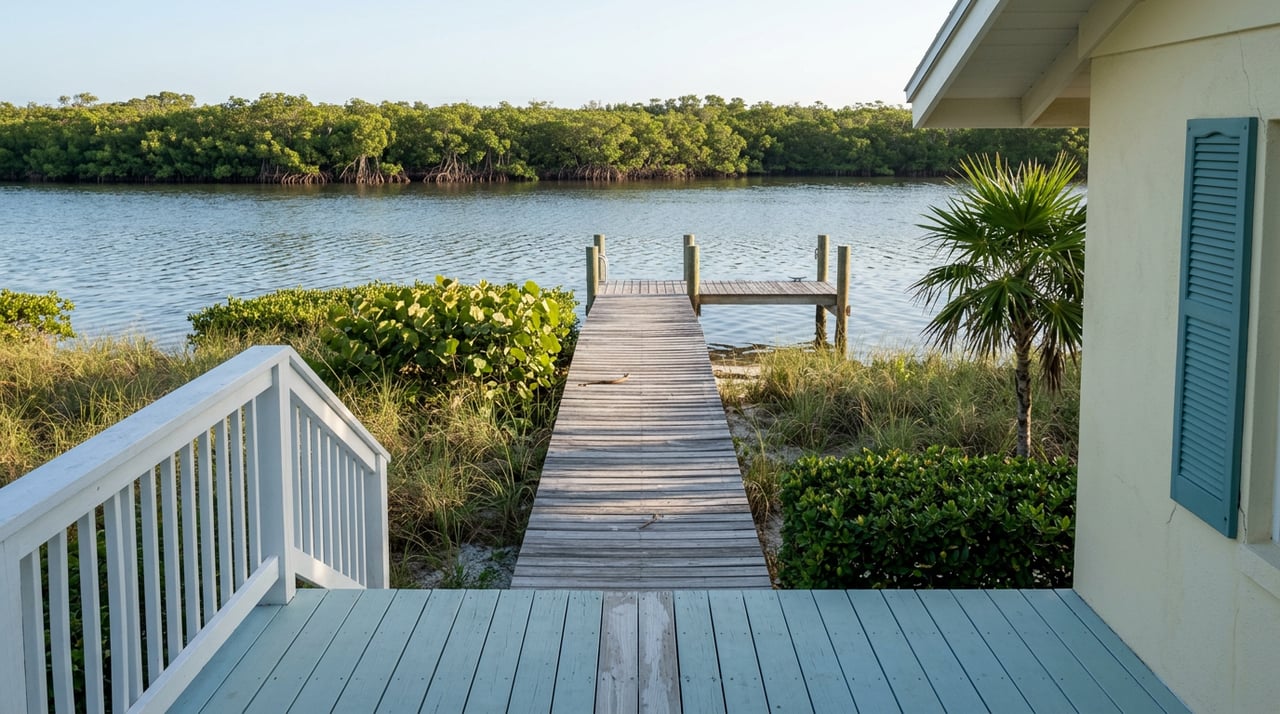
Ask what an acre of land costs in Exuma and the honest answer depends on which quarter you ask. In the first three months of 2026, the average price per acre for land sold in Exuma came in at $1,145,403. Three months later, the same measure landed at $221,361. Nothing about Exuma changed between those two reports. What changed was which six or eight parcels happened to close.
That gap is not a market correction. It is what happens when a headline statistic gets built from a sample too small to carry it. A buyer scanning quarterly reports this year could reasonably conclude that Exuma land either became a screaming bargain or that the Q1 number was some kind of fluke. Both readings miss the actual story, which is that the "average price per acre" for Exuma land is not a price signal at all when the closing count sits in the single digits. It is closer to a coin flip dressed up as a trend line.
Six Sales Isn't a Market, It's a Sample
In Q1 2026, Exuma's land segment recorded 137 active listings and just 6 closed sales, with an average sale price of $338,417 and a median of $296,250. That average price per acre of $1,145,403 was built entirely on those six transactions, and land parcels in Exuma range from quarter-acre subdivision lots to multi-acre cay holdings with private frontage. One large-acreage waterfront sale in a thin quarter can drag the per-acre average up by a factor of five. One quarter of mostly small interior lots can drag it right back down.
Q2 2026 bears that out. Closed land sales rose to 8, active listings ticked up to 145, and the average price per acre fell to $221,361, with median days on market improving to 114 and average days to close landing at 173. More transactions, a different mix of parcel sizes, and the number moves accordingly. Neither quarter is wrong. Neither quarter is a market signal on its own.
Compare that to New Providence, where the same Q2 2026 report recorded 38 closed land sales, an average price per acre of $1,064,063, and 179 active listings. Thirty-eight transactions is still a small sample by most statistical standards, but it is nearly five times the volume Exuma produced, and the resulting average holds together with far less noise. Exuma's land market simply does not generate enough closings in any single quarter for a per-acre average to mean much on its own.
The Three Tiers a Single Average Erases
The average price per acre also fails for a second reason: it blends parcels that have almost nothing in common. Exuma land splits into three tiers that behave like three different markets, and understanding which one you are shopping in tells you more than any quarterly figure.
| Tier | Typical price | What defines it |
|---|---|---|
| Entry-level, interior or subdivision lots | $150,000 to $300,000 | Great Exuma parcels away from direct waterfront, including small subdivision lots such as those in Bahama Sound, some of which have listed in the high $40,000s for quarter-acre parcels |
| Established waterfront, George Town area | $500,000 to $3,000,000 | Communities like Farmer's Hill, February Point, and Emerald Bay, priced on frontage, dock access, and condition |
| Premium beachfront and private island | $3,000,000 to $10,000,000 and above | Stocking Island frontage, private cay holdings, and developments like Oceania Heights or The Reserve at Hooper's Bay |
An interior lot in the entry tier and a beachfront parcel on Stocking Island are both "Exuma land," and both show up in the same quarterly land report. Averaging their per-acre prices together produces a number that describes neither one.
Dock Access Is the Line Item the Average Misses
Acreage alone does not explain what a parcel is worth in Exuma, and boating access explains a large part of the gap that acreage can't. Properties with private dock access carry a meaningful premium over otherwise comparable land without it, because getting to the outer cays, the flats, or the Exuma Land and Sea Park by water is not a lifestyle add-on here. It is how a large share of owners actually use their property once they own it.
That means a half-acre canal lot with deep-water dock access can outprice a two-acre interior parcel with no water frontage at all, even though the interior lot is four times the size. A per-acre average has no way to capture that. It treats every acre as interchangeable, when in Exuma the acres closest to Elizabeth Harbour, a marina, or open water are doing most of the pricing work.
Why the Wait Is Part of the Price
Land in Exuma does not move at the pace of a condo sale, and the numbers show why. Average days to close on Exuma land sat at 173 days in Q2 2026, and nationally across the Bahamas, land took an average of 182 days to sell in 2025, up from 136 days in 2024. That extension reflects more due diligence, not less demand. Buyers are spending longer confirming buildability, utility access, and boundary surveys before they commit, which is a reasonable response to a market where land, unlike a finished house, comes with more variables to check before closing.
There's also a price threshold shaping who buys where. Purchases above $1,000,000 qualify buyers for Bahamas Economic Permanent Residency, which gives some buyers a specific reason to target land just above that line rather than just below it. A handful of purchases clustering near a residency threshold, in a market that only closes a handful of land sales per quarter, is another way a small sample can tilt an average without any underlying shift in land values.
Reading This Market If You're Shopping It Now
The quarterly per-acre figure is worth knowing, but not worth acting on by itself. A buyer comparing Exuma to Nassau or Eleuthera this fall gets a far more useful read by asking three questions instead: which tier does this parcel sit in, does it come with usable dock or water access, and what does the seller's timeline actually look like given that closings here average closer to six months than six weeks.
George Town anchors the practical end of that picture, with the island's hospital, schools, supermarkets, marina, and the Exuma International Airport all within a short drive, and flights connecting from Atlanta, Florida, Toronto, and Nassau. Stocking Island sits across Elizabeth Harbour by water taxi, home to the Chat N Chill beach bar and the annual National Family Island Regatta each April, and represents the kind of frontage that puts a parcel firmly in the premium tier. Between those two points sit the established waterfront communities where most buyers land, and where the $500,000 to $3,000,000 range does most of the actual work in this market.
A Few Questions Worth Settling Before You Make an Offer
Why did the average price per acre for Exuma land drop so much between Q1 and Q2 2026? The closing count rose from 6 to 8 transactions and the mix of parcel sizes shifted. It reflects which land happened to sell, not a change in what land is worth.
Does a lower quarterly average mean land got cheaper? Not necessarily. A national land report covering 2025 showed the average land sale price easing to $251,317 from $296,067 the year before, and that moderation was attributed to more transactions closing on Family Islands where land is comparatively accessible, not to a broad decline in value.
Is Exuma's per-acre number comparable to New Providence's? Treat it cautiously either way. New Providence's Q2 2026 land average of $1,064,063 per acre was built on 38 closed sales, a far larger sample than Exuma's 8, which makes it a steadier figure even though both islands are reporting a similar order of magnitude.
Does the $1,000,000 threshold actually affect pricing behavior? It creates an incentive for some buyers to target that price point specifically, since purchases above it qualify for Bahamas Economic Permanent Residency. In a market with only a handful of closings per quarter, that kind of clustering can move the average without reflecting a broader shift in land values.
If you're sizing up land in Exuma and want a straight read on which tier a specific parcel actually falls into, Bond Bahamas can walk through dock access, closing timelines, and how a given lot compares to what's actually closed nearby, before you put in an offer based on a number that may not hold up past this quarter.