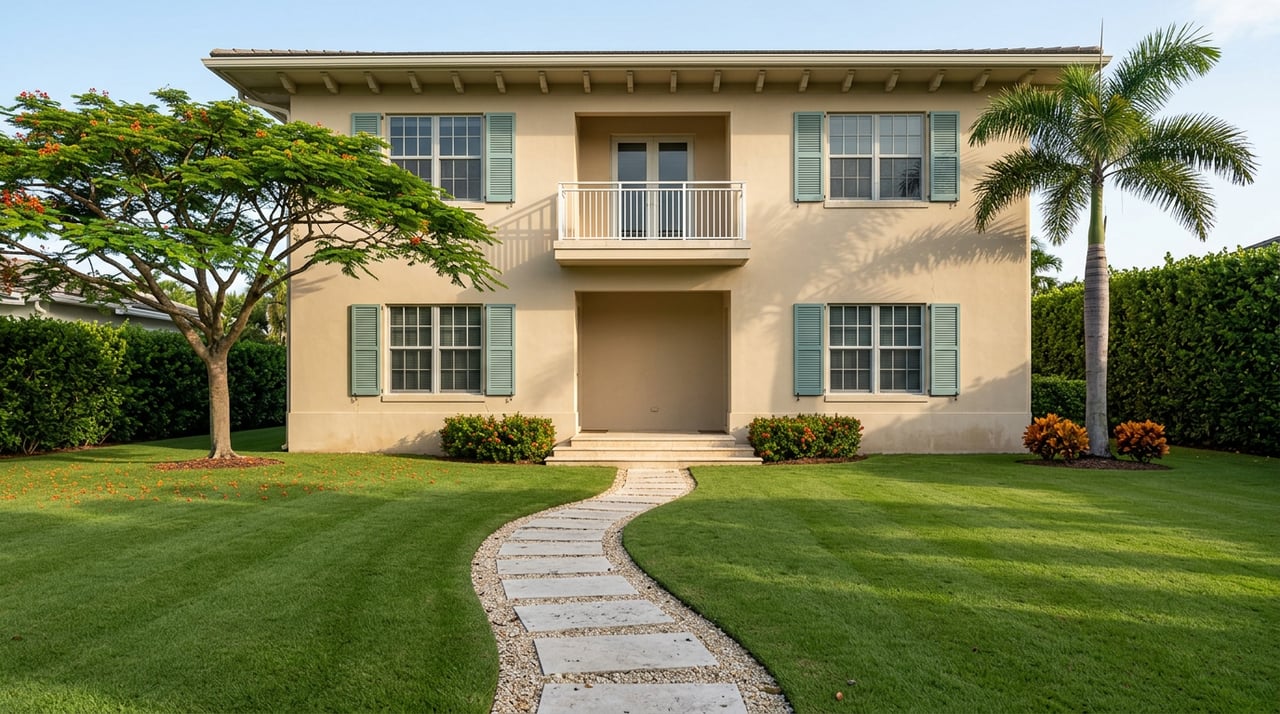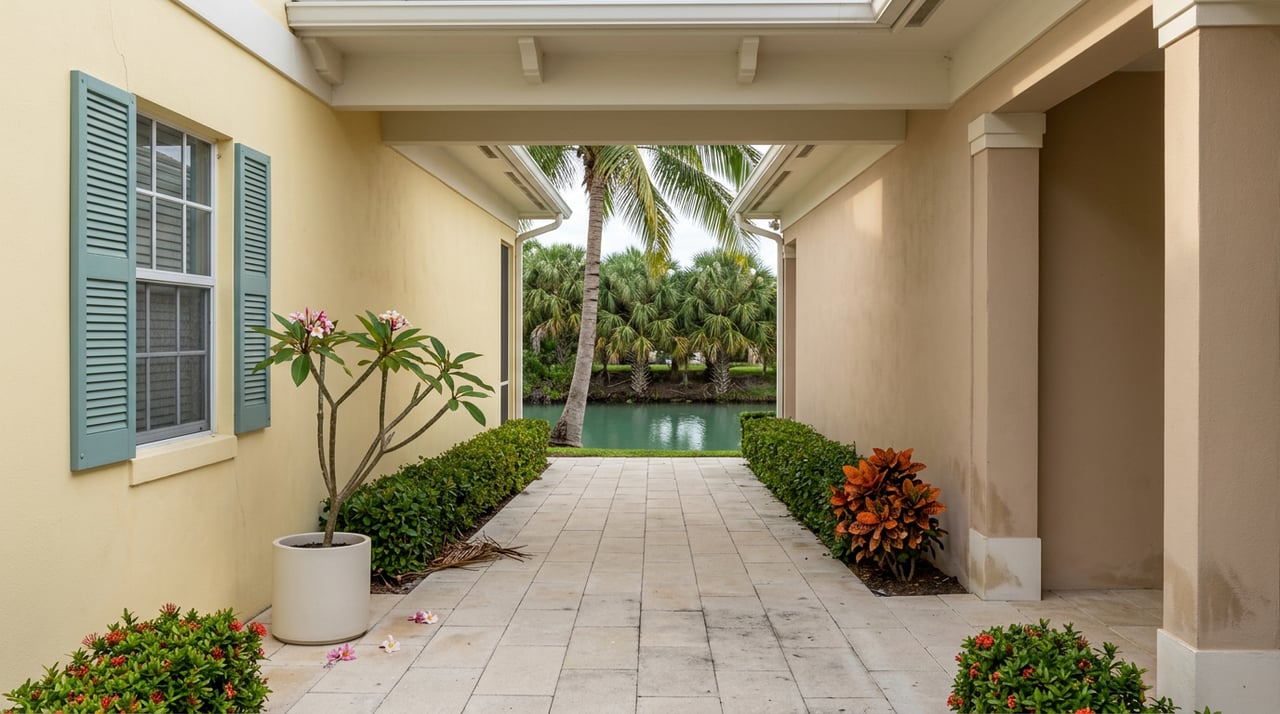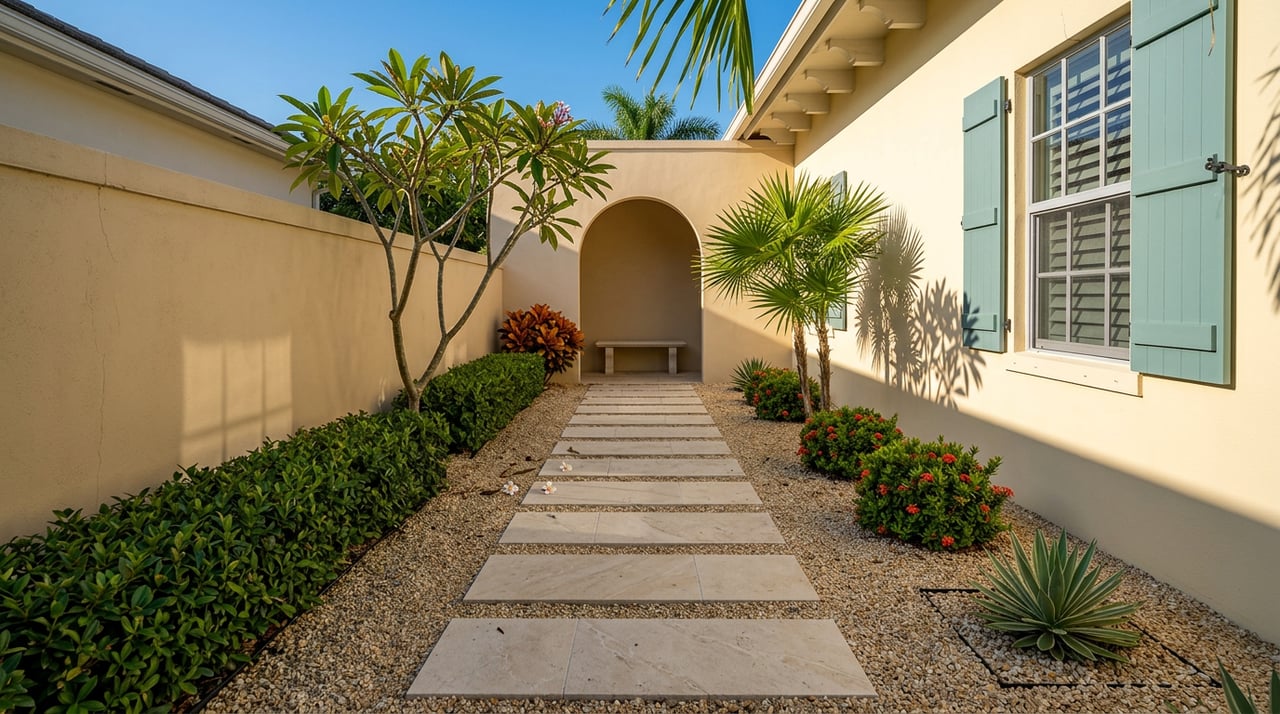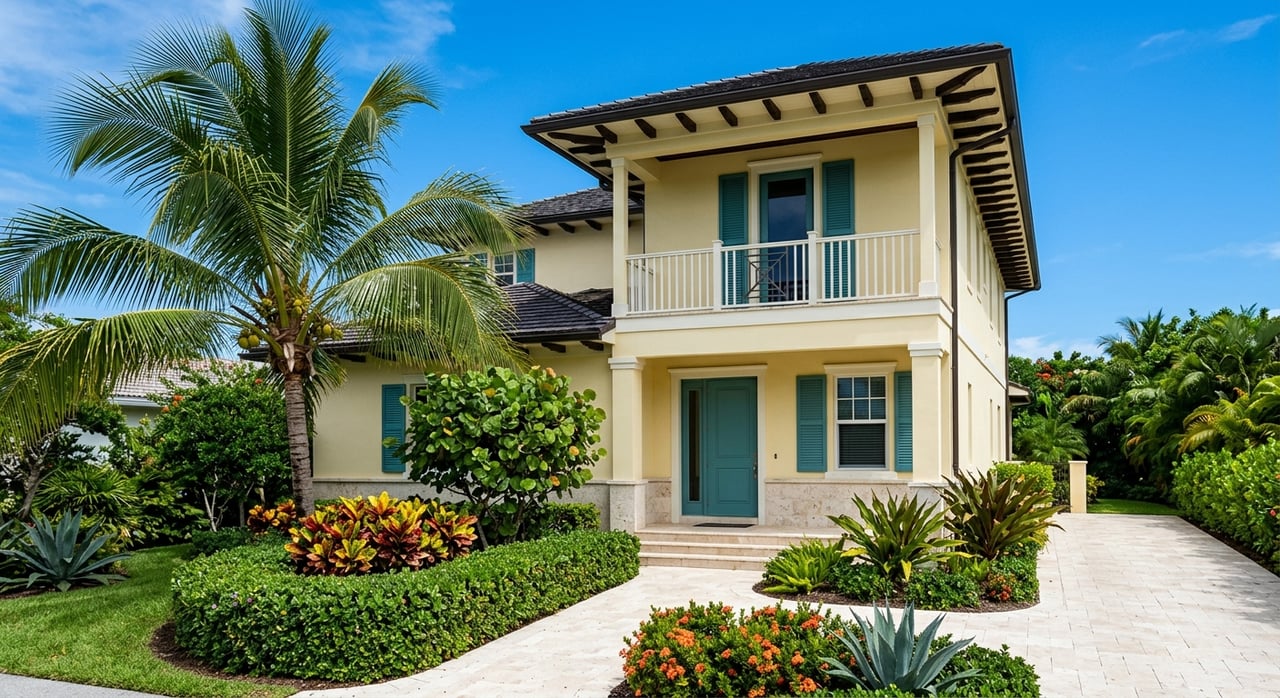
Looking for beachfront living in New Providence without the big-resort pace? Love Beach stands out for exactly that reason. If you want privacy, easy airport access, and a more low-key ownership experience, this pocket of western New Providence deserves a closer look. Here is what makes Love Beach real estate distinct, what you are likely to find on the market, and what to keep in mind before you buy.
Why Love Beach Feels Different
Love Beach sits on the northwestern side of New Providence, about 20 minutes from downtown Nassau according to the Nassau Paradise Island tourism board. It offers a noticeably different rhythm from more resort-driven areas nearby. That quieter feel is a big part of its appeal.
The beach is also near roughly 40 acres of protected coral, which helps explain why snorkeling is often part of the conversation here. For many buyers, that adds a real lifestyle advantage. You are not just buying near the water. You are buying into a setting shaped by the natural coastline.
Love Beach vs. Other West-End Areas
Cable Beach Offers More Activity
Cable Beach is known for a more entertainment-focused environment. The official Bahamas tourism site describes it as a 2.5-mile beach corridor with five luxury resorts, nightlife, a golf course, and the largest casino in The Bahamas.
If you enjoy having major resort amenities close at hand, that can be a strong fit. But if you prefer a more residential feel, Love Beach often reads as the quieter alternative.
Paradise Island Leans Resort-Centric
Paradise Island is even more centered on large-scale resort living. Atlantis highlights major attractions such as marine exhibits, Aquaventure, multiple pools, restaurants, bars, golf, and a large casino.
That creates a very different ownership atmosphere from Love Beach. Buyers drawn to Love Beach are often looking for beach access and convenience without that level of activity around them.
Love Beach Prioritizes Privacy and Simplicity
Based on official beach and development sources, Love Beach is consistently positioned around smaller-scale development, privacy, reef-adjacent water, and quick access to the airport and west-end services. That matters if your idea of luxury is less about constant entertainment and more about calm, convenience, and ease.
For many second-home buyers and downsizers, that balance is exactly the point. You can enjoy a prime west-end location without feeling like you live inside a resort zone.
What Love Beach Real Estate Looks Like
Boutique Condos Lead the Market
The current market is mostly made up of boutique condominiums and townhomes rather than estate-style properties. That gives Love Beach a different price and ownership profile than some of New Providence’s more ultra-luxury enclaves.
Public listing snapshots show this range clearly. A renovated two-bedroom, two-bath apartment at Love Beach Colony East was listed at US$475,000, while a three-bedroom, three-bath penthouse at Love Beach Walk was listed at US$895,000 and included impact windows, standby generator support, 24-hour security, and pool access.
That spread suggests there is meaningful resale inventory below the ultra-luxury tier. For buyers who want a west-end address and beach proximity without committing to a large estate, that can be a compelling entry point.
Newer Projects Raise the Ceiling
New-build and near-new communities have pushed the Love Beach story higher. Westend at Love Beach includes 80 residences on a site of more than five acres, with 68 condominiums and 12 townhomes.
According to the official project site, condo sizes range from 850 to 1,330 square feet, while townhomes measure 1,850 square feet. Amenities include gated entry, 24-hour security, resort-style pools, a fitness center, backup power, and designated parking.
Its published FAQ also notes HOA fees of about US$0.75 per square foot per month. Short-term rentals are allowed on select units, and long-term rentals are allowed on all units.
Smaller Projects Support the Quiet-Luxury Theme
Other projects reinforce the same small-scale identity. The View Love Beach describes a deliberately small community with 752 feet of beachfront, personalized service, and a location less than 10 miles from the airport.
Vilara Villas was marketed as just six luxury townhomes with three bedrooms, 2.5 baths, about 1,650 square feet of interior space, private outdoor areas, and short-term rental permission. These details help illustrate what buyers often find in Love Beach: modern, manageable homes built for lifestyle and flexibility.
A Higher-End Segment Is Emerging
At the top of the market, The Tribune reported in May 2024 that Amaya was planned as a 40-residence project with homes priced from about US$4 million to US$12 million. The report described the target audience as owners from Lyford Cay and Old Fort Bay looking to downsize into lower-maintenance ownership west of Cable Beach.
That is an important signal for the area. It suggests Love Beach is not only a boutique condo market. It is also gaining relevance for buyers who want high-end finishes and prestige without the upkeep of a larger estate property.
Why Buyers Are Drawn to Love Beach
Lock-and-Leave Appeal
Knight Frank’s 2025/26 Bahamas luxury market digest says buyers in The Bahamas are often looking for lifestyle investments, serviced homes, lock-and-leave convenience, and rental potential. That profile aligns closely with what Love Beach offers.
If you split your time between homes or travel often, a condo or townhome near the beach can feel more practical than a larger standalone property. You get access to a strong lifestyle without taking on the same level of maintenance.
Airport Access Matters
For many buyers, convenience is part of luxury. Love Beach benefits from quick access to Lynden Pindling International Airport, which LPIA describes as the main international gateway to The Bahamas.
Westend’s official site highlights quick airport access, and The View Love Beach says it is about a 10-minute connection to LPIA. That ease of travel can make a real difference if you use your property seasonally, host guests, or plan to manage ownership from abroad.
Investment Flexibility Helps
Some Love Beach communities also support rental use, which broadens the buyer pool. That may appeal to owners who want personal use with income potential, especially in projects that allow short-term rentals on approved units.
For investors, this creates optionality. For second-home buyers, it can support a more efficient ownership model when the property is not in use.
Ownership Points You Should Know
Foreign Ownership Rules
If you are a non-Bahamian buyer, the International Persons Landholding Act is one of the key laws to understand. It allows registration for certain purchases, including condominiums and owner-occupied property, while acquisitions outside those categories generally require a permit.
The law also notes that undeveloped land that would leave the buyer with two or more contiguous acres falls outside the simpler registration path. In practical terms, the property type and your intended use both matter early in the process.
Rental Compliance Is Important
If you plan to rent out your Love Beach property, there is another compliance layer to consider. The Department of Inland Revenue states that all short-term rental properties must be registered.
Its vacation-rental guidance also reminds non-Bahamian second-home owners to ensure properties are lodged, stamped, declared, and updated when ownership or improvements change. This is one of the reasons buyers benefit from planning for ownership structure and use before closing.
Real Property Tax Affects Holding Costs
Real Property Tax is required by law in The Bahamas, with bills generally due by December 31. The Department of Inland Revenue classifies property as owner occupied, residential, commercial, vacant land, or under development for assessment purposes.
That classification can affect your carrying costs. If a unit operates as part of a condo-hotel or hotel rental pool, a separate condo-hotel tax regime may also apply.
Closing Includes Tax and Legal Review
The Department of Inland Revenue states that conveyances, mortgages, long-term leases, and other real-property transactions are handled through VAT and stamping procedures. In other words, tax review and legal review are part of the normal path to closing, not something to leave until the last minute.
For buyers, that means due diligence should cover not only the residence itself, but also the intended ownership structure, rental plans, and expected holding costs.
Is Love Beach Right for You?
Love Beach tends to fit buyers who value a refined but understated version of coastal living. You may be looking for a second home, a lower-maintenance primary residence, or an investment with beach access and flexible use.
What sets the area apart is not scale. It is the combination of privacy, boutique inventory, airport convenience, and a more residential atmosphere on the western side of New Providence.
If that sounds like your style of ownership, Love Beach is worth serious attention. And if you want a local perspective on available inventory, rental potential, or long-term ownership planning, Bond Bahamas can help you explore the right fit.
FAQs
What makes Love Beach real estate different in New Providence?
- Love Beach is known for a quieter, more residential setting with boutique condos and townhomes, beach access, reef-adjacent waters, and convenient access to the airport.
What types of homes are common in Love Beach?
- Most inventory consists of condominiums and townhomes, with resale options, new-build communities, and a growing higher-end segment for buyers seeking lower-maintenance luxury.
Is Love Beach close to the airport?
- Yes. Project sources for the area highlight quick access to Lynden Pindling International Airport, and some describe the location as about 10 minutes away.
Can you use a Love Beach property as a rental?
- Some communities allow long-term rentals and selected short-term rentals, but rules vary by project and short-term rental properties must be registered with the Department of Inland Revenue.
What should foreign buyers know about buying in Love Beach?
- Non-Bahamian buyers should review the International Persons Landholding Act carefully, since registration or permit requirements can depend on the property type and intended use.
What taxes should Love Beach buyers plan for?
- Buyers should plan for Real Property Tax, which is required by law in The Bahamas, along with VAT and stamping procedures that form part of the normal closing process.